Flat Clearance Health & Safety Policy
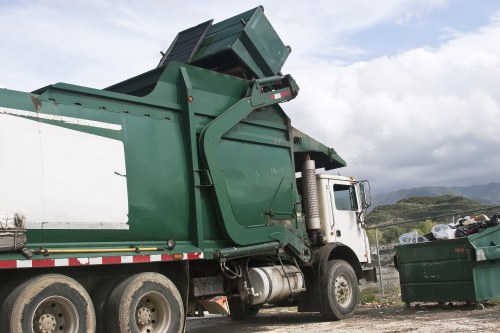 This Health and Safety Policy sets out the commitments of our flat clearance operation to manage risks and protect the health, safety and welfare of everyone affected by our rubbish removal and waste clearance activities. The purpose of this document is to embed a safety-first culture across all clearance works, from small apartment waste collection to full flat clearance projects. Our aim is to deliver safe, efficient waste clearance services while reducing harm and ensuring compliance with recognised safety principles. This policy applies to staff, contractors, clients (during on-site work), and any third parties affected by our service delivery.
We commit to maintaining a safe working environment by implementing robust procedures, effective risk management and clear lines of responsibility. Senior management will provide visible leadership, resources and oversight to ensure that safety objectives are achieved. Employees are expected to follow safe methods, report hazards, and participate in training. Everyone on site has the right and duty to stop work where there is a significant risk until reasonable controls are in place. Our rubbish company service area includes domestic flat clearance, bulky waste removal and recyclable recovery; risk controls are tailored to each type of job.
Scope and Application
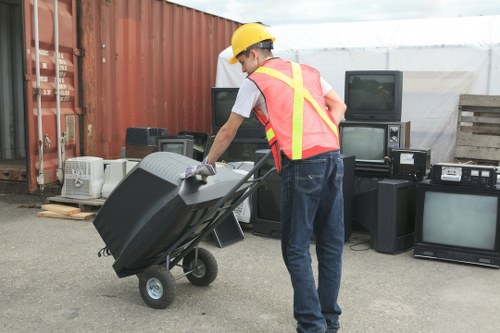
This policy covers core activities such as flat clearance, junk removal, transit and disposal logistics. It addresses risks associated with manual handling, working at height (where applicable within flats), vehicle operations, use of tools, and handling of potential hazardous materials. Key principles include:- Risk assessment before every job;
- Safe systems of work documented and followed;
- Provision of appropriate personal protective equipment (PPE);
- Clear waste segregation and lawful disposal practices.
All clearances begin with a formal risk assessment and work plan. Assessments will identify manual handling risks, trip or fall hazards in communal areas, potential for asbestos-containing materials in older properties, and the presence of liquids or chemical wastes. Control measures include mechanical aids for lifting, safe lifting techniques, temporary protection for floors and walls, appropriate signage, and designated routes for carrying waste to collection points. We use permit-to-work style checks where risks are elevated and will refuse tasks if acceptable controls cannot be implemented.

Training, Competence and Supervision
Our staff receive role-specific training in manual handling, PPE use, hazardous waste awareness and safe vehicle operation. Supervisors are responsible for ensuring tasks are allocated to competent people and that on-the-job checks are completed. Staff development is ongoing: toolbox talks, refresher training and on-site coaching form part of our approach. Incident reporting and near-miss recording are mandatory and used as learning tools to refine procedures. Competence is maintained through practical assessments and record-keeping.Waste segregation, labelling and handling receive particular attention. Non-hazardous domestic waste is separated from recyclable materials and bulky items; hazardous or suspected hazardous materials are isolated and dealt with by trained personnel using appropriate containment. Where hazardous materials are suspected or found, work is paused and specialist removal arranged. Vehicles and containers used for collections are clearly marked and maintained to prevent spills, and we follow safe loading practices to secure loads for transit.
Vehicle and equipment safety is managed through scheduled maintenance, daily checks and a documented defect reporting system. Drivers and crew follow vehicle safety rules: safe loading heights, use of tail lifts when available, correct use of straps and securing devices, and adherence to speed and parking guidelines that protect pedestrians and residents. Manual handling is minimised via trolleys, sack trucks and lifting aids; where lifting is unavoidable, team lifts and mechanical supports are used to reduce strain.
 Monitoring, auditing and continuous improvement are central to keeping the policy effective. We undertake routine site inspections, periodic safety audits and review incidents to identify trends. Performance indicators include the number of incidents, near misses, training completion rates and audit findings. Corrective actions are tracked to closure and are the responsibility of named managers. Where contractors are used for specialist removal, they are assessed for safety competence and required to conform to our standards.
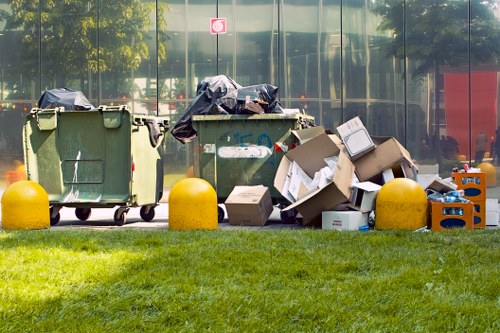 In summary, this Health and Safety Policy for flat clearance and rubbish removal services confirms our strong commitment to protecting people and property during clearance work. We will regularly review this policy and associated procedures to reflect operational changes, emerging risks and best practice. Senior leadership endorses the policy and expects all staff, subcontractors and partners to contribute to a safe, professional service. Through proactive risk management, training and a culture of reporting and learning, we aim to deliver high-quality clearance services that prioritise safety at every stage.